Biohazard Cleanup
Contaminated materials removed, surfaces disinfected, odor treated and waste hauled away from your property.
Learn more →Oregon · Deschutes County
Unsure whether a mess counts as a biohazard in Eagle Crest, OR? Call (877) 812-4220 and ask. Blood, human waste, decomposition, sharps and sewage all get full protective gear and hospital-grade disinfection.
If anyone is in danger, call 911 first. For a suicide crisis, call or text 988.
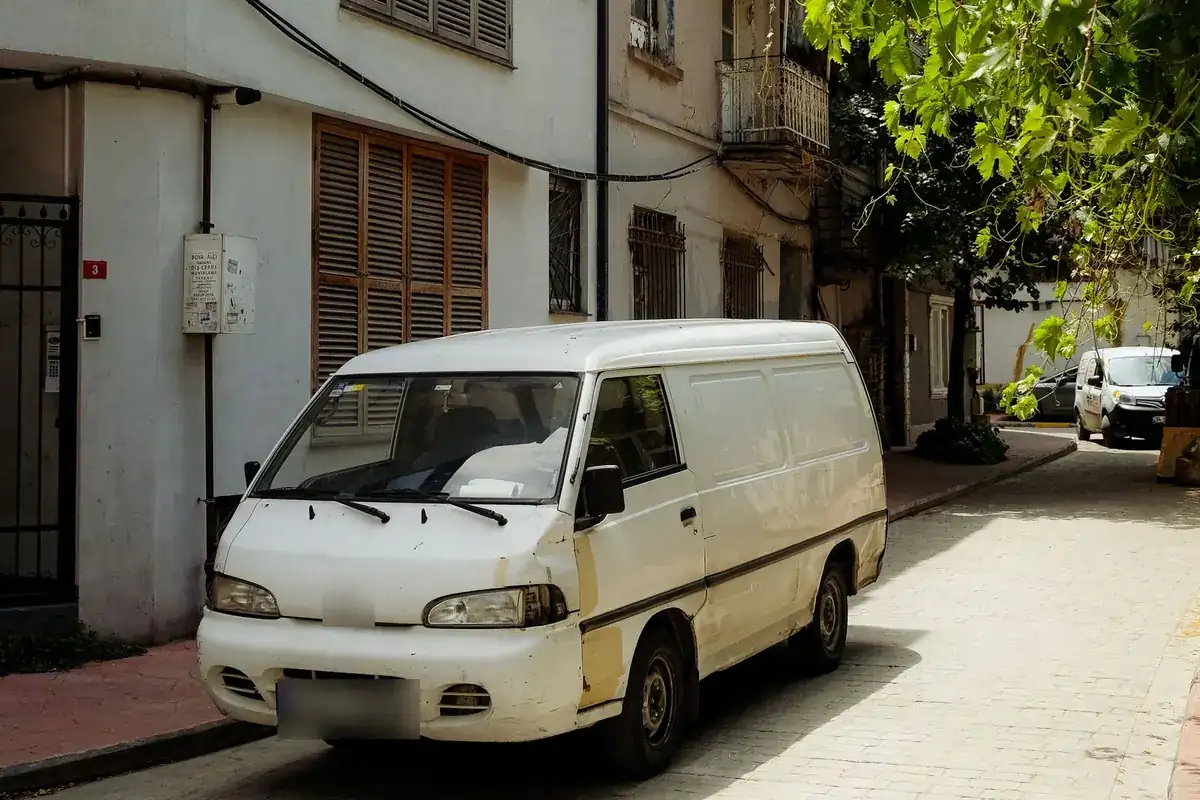
In plain terms, biohazard cleanup is decontamination after something harmful to health has been left behind. If you need cleanup in Eagle Crest, OR after a death, violent event, accident, spill or unsafe living conditions, call Eagle Crest Biohazard Cleanup Help and get a biohazard cleanup team ready for the job.
Every job follows the same order. Assess the area, contain it, remove contaminated and hazardous materials, disinfect, treat odor and dispose of the waste under the rules. Crews are available 24/7 in Eagle Crest and throughout Deschutes County.
Only about 24% of homes in Deschutes County were built before 1980, so most cleanups involve newer drywall and flooring, though fluids can still soak through to the subfloor. Older adults make up about 60% of residents in Eagle Crest, above the Oregon average, so families here more often face estate cleanouts and death cleanup after a loved one passes.
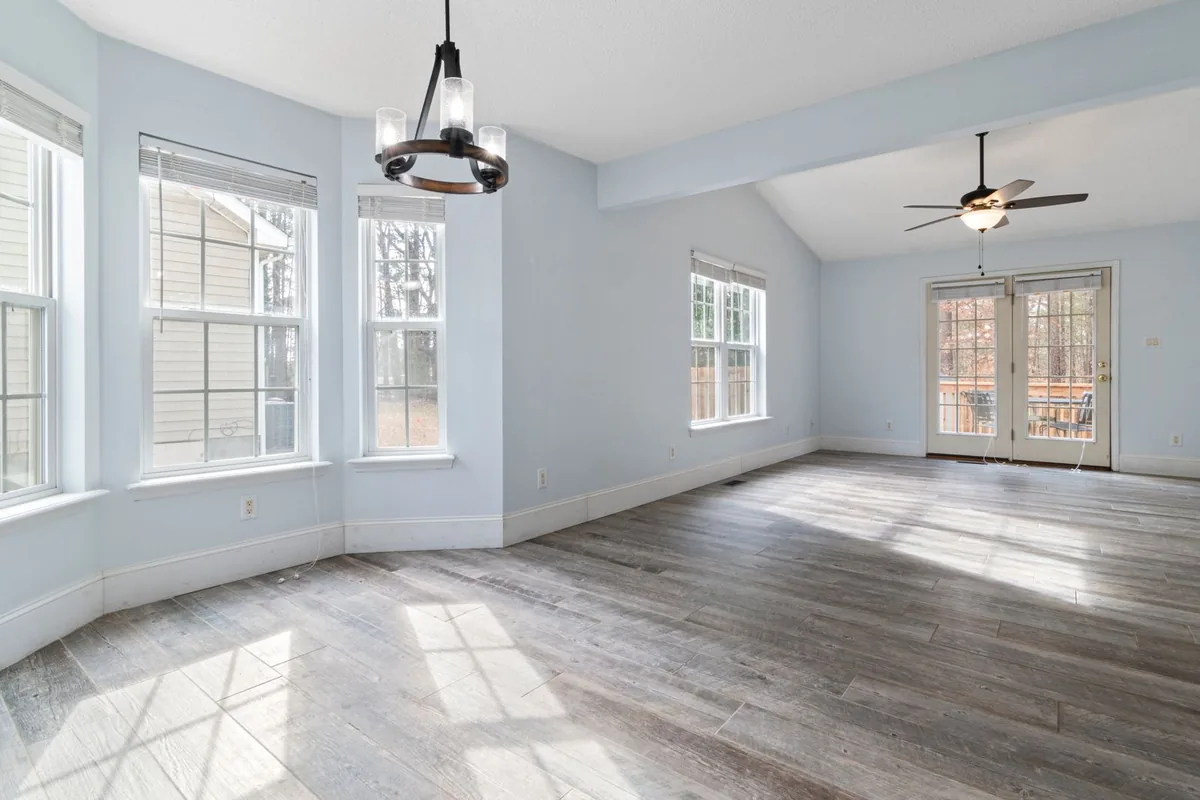
Safety comes first on every job. You get crews that follow OSHA bloodborne pathogen protocols, wear full protective equipment and seal off the contaminated space, since hepatitis B, hepatitis C and HIV are all risks around untreated blood.
Real decontamination reaches what the eye cannot see. Fluids travel under flooring and into baseboards, so crews check beneath and behind surfaces, remove affected materials and disinfect the exposed area before odor treatment begins.
Biohazard cleanup is not one job. The list below breaks down the services open to Eagle Crest families, landlords and business owners.
Contaminated materials removed, surfaces disinfected, odor treated and waste hauled away from your property.
Learn more →Blood, bodily fluids and residue removed and disinfected after law enforcement releases the scene.
Learn more →Discreet trauma cleaning that covers waste disposal, odor removal and records for insurers.
Learn more →Respectful biohazard cleanup for homes and rentals after an unattended death.
Learn more →Respectful biohazard cleanup that removes affected materials and treats odor so families do not have to.
Learn more →Respectful homicide cleaning that removes blood, bodily fluids and odor after investigators release the scene.
Learn more →Blood removal, disinfection and waste disposal for floors, carpet, walls and furniture after an injury or accident.
Learn more →Soaked carpet, mattresses and furniture removed, and affected surfaces sanitized after a fluid release.
Learn more →Human feces removal with protective gear, EPA-registered disinfectants and sealed disposal of contaminated waste.
Learn more →Finds the source of a death odor and removes it, instead of masking it with sprays.
Learn more →Respectful hoarder cleaning that clears exits, sorts belongings with you and cleans every room.
Learn more →Hoarding junk removal that protects valuables and papers before anything leaves the home.
Learn more →Ammonia odor, urine and feces cleaned from floors, walls and air after animals are removed.
Learn more →Hoarding and filth cleaning that restores a home for living, repairs or a new tenant.
Learn more →Sewer backup cleaning for toilets, drains, basements and crawl spaces in homes and businesses.
Learn more →Emergency disinfection after contagious illness, with soft items treated or removed and the space checked.
Learn more →Cleaning first, disinfecting second: a careful process that targets the germs, not only the stain.
Learn more →Medical waste left behind after illness, a move or a cleanup, removed with protective gear.
Learn more →Safe syringe pickup for places where children, pets or customers could be at risk.
Learn more →Drug paraphernalia cleanup: syringes, pipes and items removed, surfaces cleaned and waste hauled away.
Learn more →Testing, removal, cleaning and retesting for properties where meth was made or heavily used.
Learn more →Fentanyl residue removal with protective gear, soft material removal and proper disposal.
Learn more →Safe removal of solvents, fuels, pesticides, mercury and unlabeled containers from homes and businesses.
Learn more →Hazardous materials contained, removed and hauled away after spills, leaks and accidents.
Learn more →Irritant residue removed from walls, floors, fabrics and vents after tear gas or pepper spray is released.
Learn more →Safe wet-clean removal of mouse and rat droppings, nests and soiled insulation from attics and crawl spaces.
Learn more →Containment, wet removal and disinfection of bat and bird guano in attics, barns and rooftops.
Learn more →Carcass cleanup of fluids and soaked insulation, carpet and drywall that cannot be saved.
Learn more →Vehicle biohazard cleanup for cars, trucks, vans and buses, with soaked upholstery removed and odor treated.
Learn more →Accident scene cleanup for homes, stores, offices and vehicles, handled quietly with protective gear.
Learn more →Biohazard cleaning for commercial and industrial sites, from restrooms and break rooms to warehouse floors.
Learn more →Sorting, removal and cleaning of a loved one's home, with keepsakes set aside for the family.
Learn more →A cleanup specialist asks what happened, who is safe and whether police or an investigator have released the scene. The answers decide how the job is planned.
A technician walks the space, notes where fluids reached and lists what can be cleaned and what must be removed. The plan and cost range are explained before work begins.
Hazardous materials are removed, and every surface is cleaned and disinfected with EPA-registered products. Items that must go are packed as regulated waste.
Odor and surface checks confirm the result, then biohazard waste is removed from the property under medical waste rules.
Cleanup technicians know families may be grieving. They keep conversations short, kind and free of judgment, and they treat belongings with care.
Cleanup covers houses, apartments, rentals, offices, churches, shops and cars or trucks, with plans that fit each type of property.
Blood, decomposition, sewage, sharps, hoarding, drug residue and infectious disease all fall under one call, with the right method for each.
A final inspection, with odor and surface checks where they help, confirms the area is safe before the cleanup is called complete.
Biohazard cleanup in Eagle Crest, OR typically costs $500 to $25,000, depending on the type of biohazard, the size of the affected area and how far fluids soaked into porous materials.
Most residential jobs cost $3,000 to $5,000 (Fixr). Time since the event matters. Fluids and decomposition move deeper and odor spreads further as days pass, so the same scene can take more work the longer it waits.
| Type of job | Typical range |
|---|---|
| Blood spill cleanup, small area | $500 - $2,500 |
| Crime scene cleanup, most homes | $1,500 - $7,500 |
| Unattended death cleanup | $2,000 - $7,000 |
| Suicide cleanup | $1,500 - $5,500 |
| Sewage cleanup, most homes | $2,000 - $10,000 |
| Hoarding cleanup, level 3 home | $2,000 - $5,000 |
| Meth lab cleanup, typical | $15,000 - $20,000 |
Estimates only, not a quote. Sources: Fixr, Yelp Costs, BioCleaners Directory, PushLeads, Dropcurb, Bob Vila and cleanup company cost guides. Call (877) 812-4220 to talk through the job.
Offices, shops, churches and other public spaces may need cleanup after an injury, illness outbreak or break-in. The work is planned around staff, customers and reopening dates.
Hoarder homes can hide rotting food, animal waste, mold and pests, along with fire and structural hazards. Hoarding cleanup sorts belongings and restores a livable condition.
Homes, churches and businesses may need infectious disease disinfection, needle and sharps cleanup, or meth lab and fentanyl decontamination after a property is released.
Deschutes County has a Relatively Moderate river flood risk rating from FEMA. Floodwater mixes with sewage, and anything it touches needs full biohazard cleaning, not just drying.
About 24% of homes in Deschutes County were built before 1980, and older carpet, subfloor and trim hold fluids deeper, which can mean more material to remove.
Failing septic systems and sewer backups push raw sewage, a Category 3 biohazard, into homes. Sewage cleanup removes contaminated materials and disinfects every surface.
Biohazards are biological materials that can spread disease and cause serious health risks. Cleanup technicians look at two things on every job: what kind of biohazard is present, and how far it has spread. Together they set the safety steps, the timeline and the cleanup cost.
The lease and local law decide, but landlords commonly get biohazard cleanup done for the building. A renters insurance policy may cover the tenant's belongings. Talk to the landlord and your insurer early.
A biohazard is any biological material that can carry germs and make people sick. Common examples are blood, bodily fluids, tissue, sewage, used needles, animal waste and the fluids from decomposition. Anything that has touched them can also become contaminated.
A cleanout of belongings can take from a day to several weeks depending on how much is in the home. If a death left biohazards, the biohazard cleanup comes first, and sorting or hauling follows once the area is safe.
Call 911 if anyone is in danger. Keep everyone out of the affected area, do not clean anything, and wait for law enforcement to release the scene. Then call your insurance company and a biohazard cleaning company to plan the cleanup.
Biohazard cleaning is the safe removal of infectious or contaminated material and the disinfection of whatever it touched. Crews wear protective equipment, remove porous materials that cannot be made safe, and dispose of the waste under medical waste rules. It goes far beyond ordinary housecleaning.
The body is removed by a funeral home or the authorities. Cleaning the room afterwards is not their job; the family, landlord or estate hires biohazard cleaners for death cleanup, decomposition removal and odor removal.
It can. Deschutes County has a Relatively Moderate river flood risk rating from FEMA. Wherever floodwater or a sewer backup enters a home, the water is treated as Category 3 and needs full cleaning and disinfection.
Yes. Eagle Crest has about 2,677 residents, and the same biohazard cleanup services are available in Eagle Crest and across Deschutes County. Call (877) 812-4220 to talk through the job.
Looking for a biohazard cleanup company close to Bend? You can get crime scene, death and trauma cleanup in Redmond, Terrebonne and Bend, as well as around Eagle Crest. Call Eagle Crest Biohazard Cleanup Help to ask.
Call (877) 812-4220 day or night and a cleanup specialist will answer.
Call (877) 812-4220